
Contents
- 🎵 Origins & Evolution of Makeup Techniques
- ⚙️ Core Makeup Application Mechanics
- 📊 Key Techniques and Their Applications
- 👥 The Role of the Makeup Artist
- 🌍 Cultural and Trend Influences
- ⚡ Current Innovations in Makeup Artistry
- 🤔 Debates in Makeup Technique Application
- 🔮 Future Trajectories for Makeup Artistry
- 💡 Practical Application in Professional Settings
- 📚 Further Exploration in Makeup Artistry
Overview
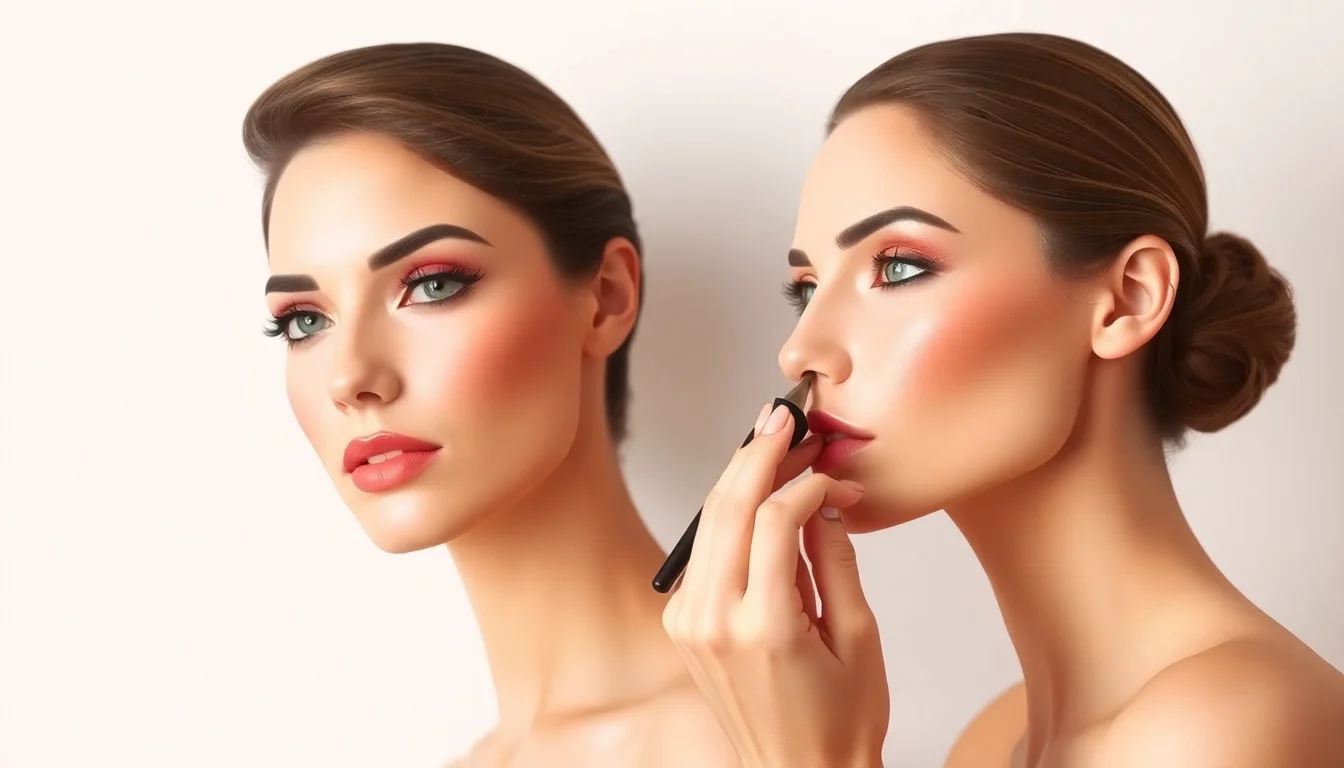
Makeup artistry techniques encompass the specialized skills and methods employed by professional cosmetologists to apply cosmetic products for aesthetic enhancement, correction, or artistic expression. These techniques range from foundational principles like color theory and skin preparation to advanced applications such as contouring, highlighting, airbrushing, and special effects makeup. Mastery involves understanding facial anatomy, skin types, and product formulations to achieve desired looks for diverse clientele, including everyday wear, bridal, editorial, and theatrical contexts. Professionals continuously refine these techniques through ongoing education and practice, staying abreast of emerging trends and product innovations within the dynamic beauty industry. The application of these techniques is central to a cosmetologist's ability to provide transformative and client-satisfying services.
🎵 Origins & Evolution of Makeup Techniques
The history of makeup artistry techniques is ancient, with early civilizations using pigments derived from minerals and plants for cosmetic purposes. The Renaissance saw a resurgence in cosmetic use, particularly in European courts, where pale skin was idealized, leading to techniques involving lead-based powders. The evolution from simple application to complex artistry was driven by technological advancements in product formulation and the increasing demand for specialized looks in fashion, film, and theater.
⚙️ Core Makeup Application Mechanics
At its core, makeup artistry relies on understanding the interplay of light, shadow, color, and texture on the skin. The process typically begins with thorough skin preparation, including cleansing, moisturizing, and priming, to create a smooth canvas. Foundation application is a critical step, involving techniques like stippling, buffing, or airbrushing to achieve an even skin tone, matched precisely to the client's complexion. Color theory is paramount, guiding the selection of concealers to neutralize discoloration, eyeshadows to enhance eye shape and color, and lipsticks to complement skin tone and outfit. Blending is a universal technique across all applications, ensuring seamless transitions between colors and products, avoiding harsh lines and creating a natural or intentionally artistic finish. Understanding product textures—matte, satin, dewy, shimmery—and how they interact with different lighting conditions is also fundamental to achieving professional results.
📊 Key Techniques and Their Applications
Key makeup artistry techniques are diverse and cater to specific needs. Skin Perfecting involves using concealers and foundations to even out skin tone and cover imperfections, often employing color-correcting shades like green for redness or peach for dark circles. Contouring and Highlighting are advanced techniques that use darker and lighter shades of foundation or powder to sculpt the face, creating the illusion of bone structure or adding dimension. Eye Makeup Techniques include precise eyeliner application (e.g., winged liner, tightlining), intricate eyeshadow blending (e.g., cut crease, smoky eye), and false lash application. Lip Techniques range from precise lip lining to creating gradient effects or adding dimension with gloss. Airbrush Makeup utilizes a specialized gun to spray a fine mist of makeup, offering a lightweight, flawless finish, particularly popular for bridal and editorial work. Special Effects (SFX) Makeup involves prosthetics, scar wax, and intricate painting to create wounds, aging, or fantastical creatures for film and theater.
👥 The Role of the Makeup Artist
The makeup artist is more than just an applicator of cosmetics; they are visual storytellers and technicians. A professional makeup artist must possess a deep understanding of facial anatomy, skin physiology, and color theory. They are skilled in client consultation, interpreting desires, and translating them into tangible looks while managing expectations. This requires excellent communication skills and the ability to adapt techniques to different face shapes, skin types, and ages. Beyond technical proficiency, artists must maintain impeccable hygiene standards, sterilizing tools and products to prevent cross-contamination. Their role extends to product knowledge, staying updated on new formulations, finishes, and application tools.
🌍 Cultural and Trend Influences
Cultural norms and evolving beauty trends significantly shape makeup artistry techniques. Historically, ideals of beauty dictated specific application methods. The rapid dissemination of new techniques such as "baking" under the eyes or the "fox eye" trend has been influenced by social media. Editorial makeup pushes boundaries with avant-garde applications, influencing mainstream trends. Conversely, the "no-makeup makeup" look emphasizes subtle enhancements and skin-like finishes, requiring meticulous blending and strategic product placement. These trends necessitate continuous learning for artists to remain relevant and cater to diverse client demands.
⚡ Current Innovations in Makeup Artistry
Current innovations in makeup artistry are largely driven by technology and ingredient science. Long-wear formulations have advanced significantly, with primers, foundations, and setting sprays designed to last through demanding conditions, crucial for professional applications in film and bridal. Multi-use products, such as lip-and-cheek tints or eyeshadow palettes with contour shades, offer efficiency and versatility for artists. The integration of skincare ingredients into makeup, like hyaluronic acid in foundations or SPF in primers, reflects a broader industry shift towards skin health. Digital tools are also emerging, with augmented reality (AR) apps allowing clients to virtually try on looks, influencing how artists collaborate and present options. Furthermore, the demand for clean beauty and sustainable packaging is pushing brands and artists to adopt more eco-conscious products and practices, impacting technique choices and product selections.
🤔 Debates in Makeup Technique Application
A significant debate in makeup artistry revolves around the definition of "natural" versus "enhanced" beauty. While some advocate for techniques that mimic natural features and enhance existing assets, others champion transformative artistry that can dramatically alter appearance for creative or personal expression. The rise of filters on social media platforms like Snapchat also presents a challenge, as clients may request looks that are difficult or impossible to achieve in real life without digital alteration. Another point of contention is the ethical application of techniques like heavy contouring or brow shaping, with discussions around perpetuating unrealistic beauty standards versus empowering individual expression. The accessibility and affordability of professional-grade products and education also spark debate, with questions about whether high-quality tools and training are sufficiently available to aspiring artists from all socioeconomic backgrounds.
🔮 Future Trajectories for Makeup Artistry
The future of makeup artistry techniques is poised for further integration with technology and personalization. AI-driven color matching and personalized product recommendations will likely become more sophisticated, allowing artists to select shades with unprecedented accuracy. Virtual and augmented reality may play a larger role in client consultations and even in-person application, with AR overlays guiding artists or providing real-time feedback. We can expect continued advancements in long-lasting, transfer-proof formulas and skincare-infused makeup. The demand for specialized techniques in areas like medical makeup (e.g., camouflaging scars or radiation marks) and gender-affirming makeup is also expected to grow, requiring artists to develop new skill sets. Furthermore, the influence of global beauty trends will continue to diversify techniques, incorporating elements from various cultures and aesthetics.
💡 Practical Application in Professional Settings
In professional settings, makeup artistry techniques are applied daily to serve a diverse clientele. For **bridal
Key Facts
- Category
- professional-development
- Type
- topic